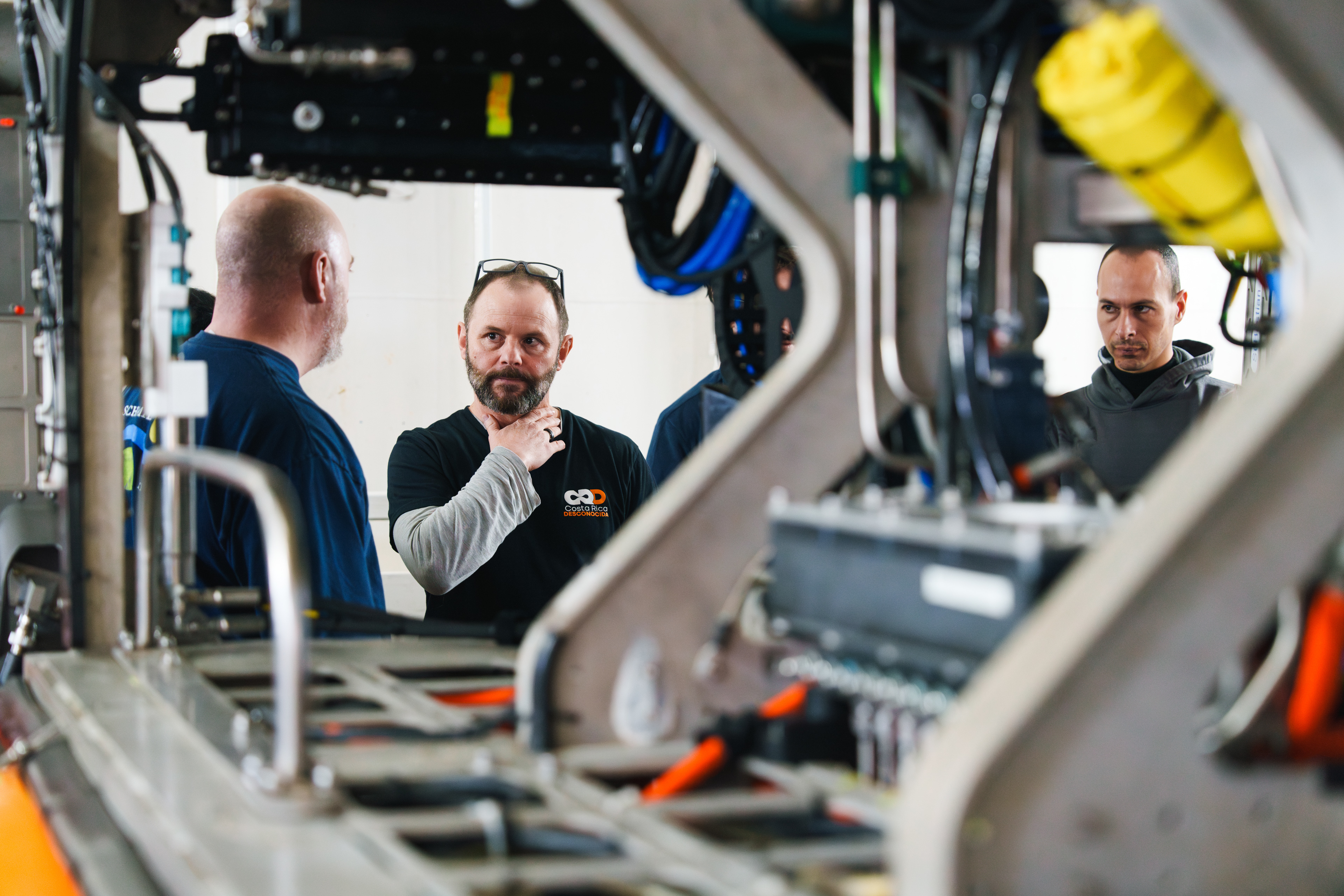
Erik Cordes, professor and chair of biology
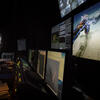
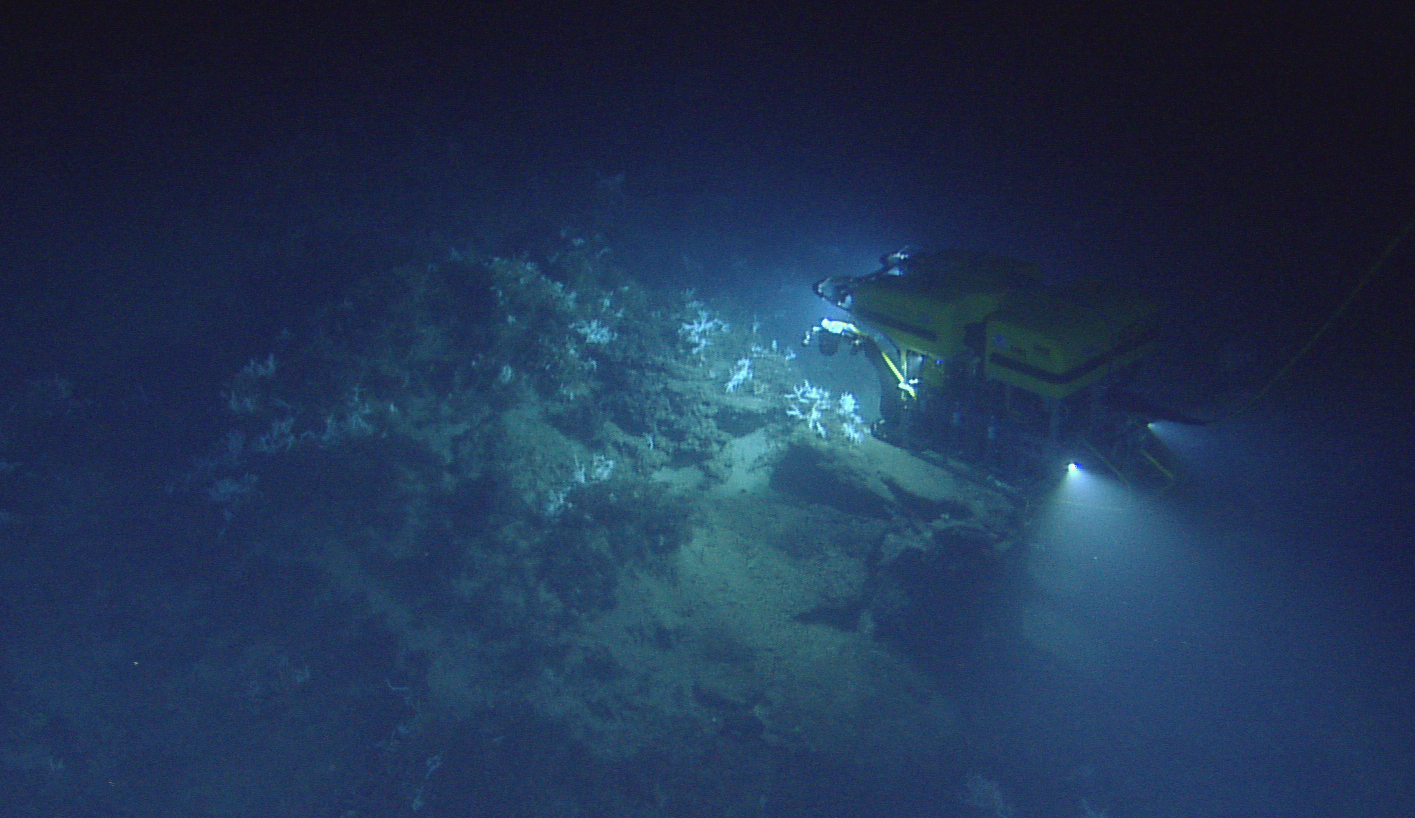
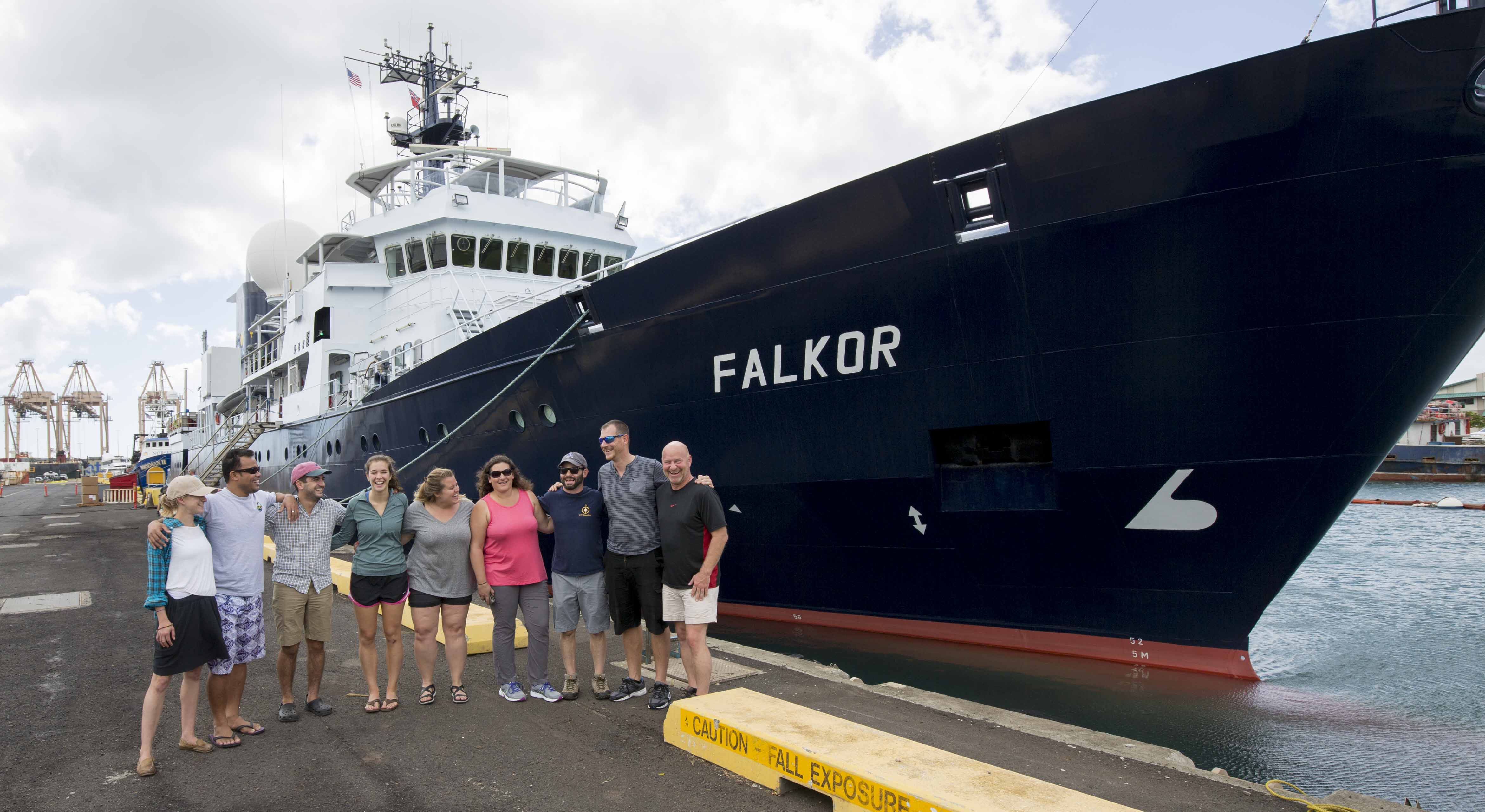
When he’s not teaching in the classroom, Erik Cordes can often be found in a research vessel thousands of feet beneath the ocean’s surface. For more than two decades, he has explored the deep sea, working to understand and protect the sensitive habitats and organisms that call it home.
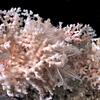
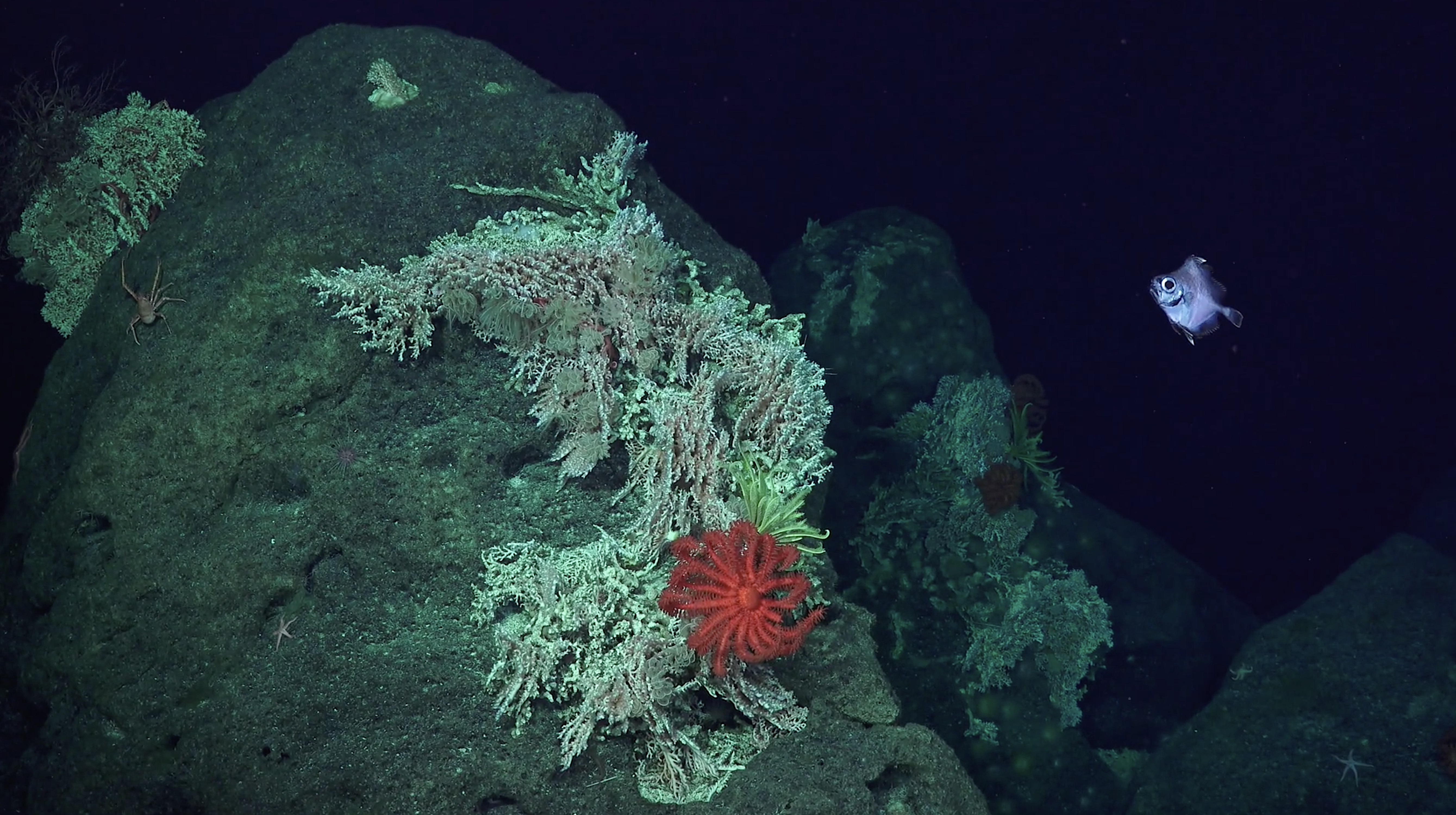
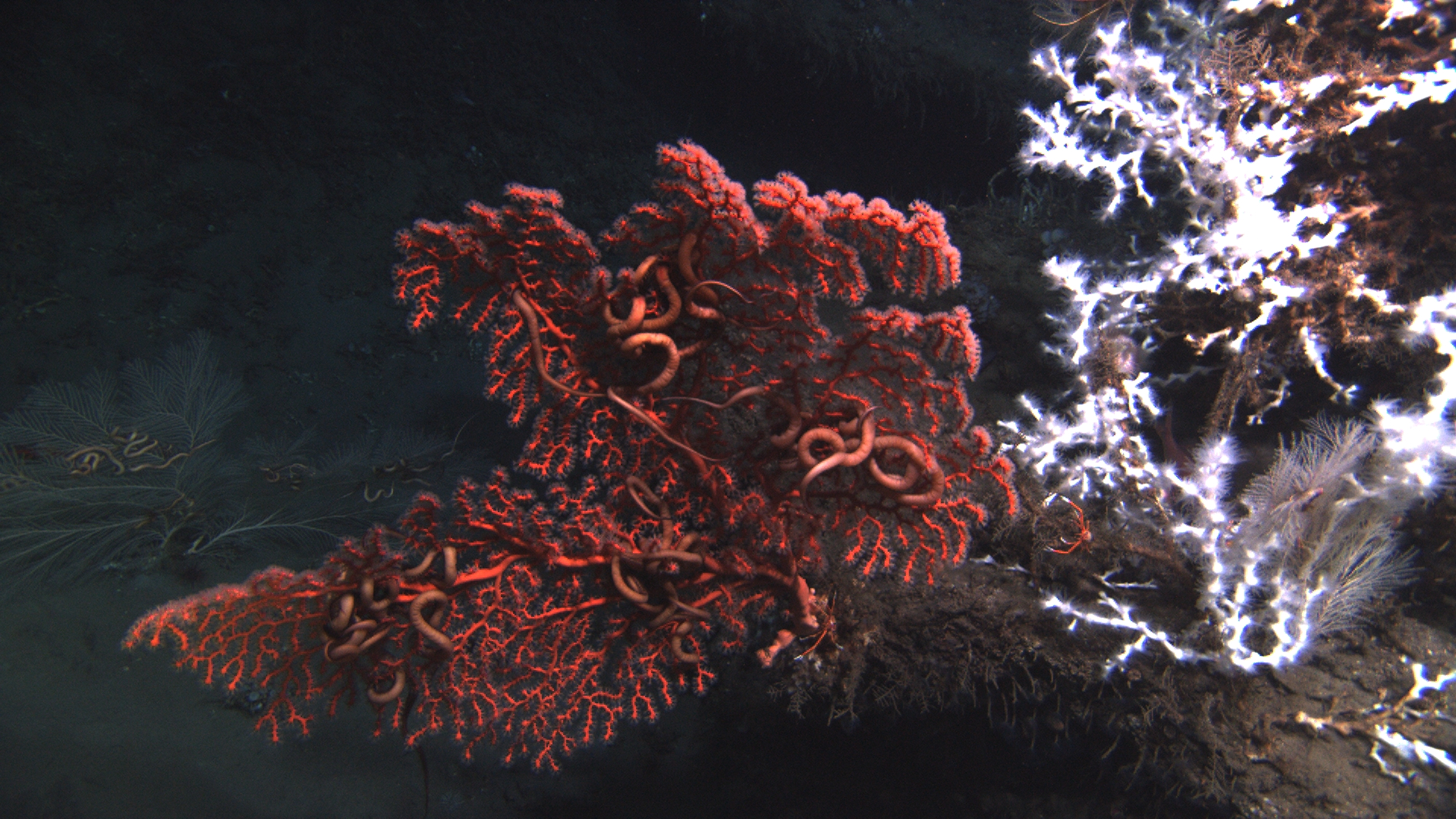
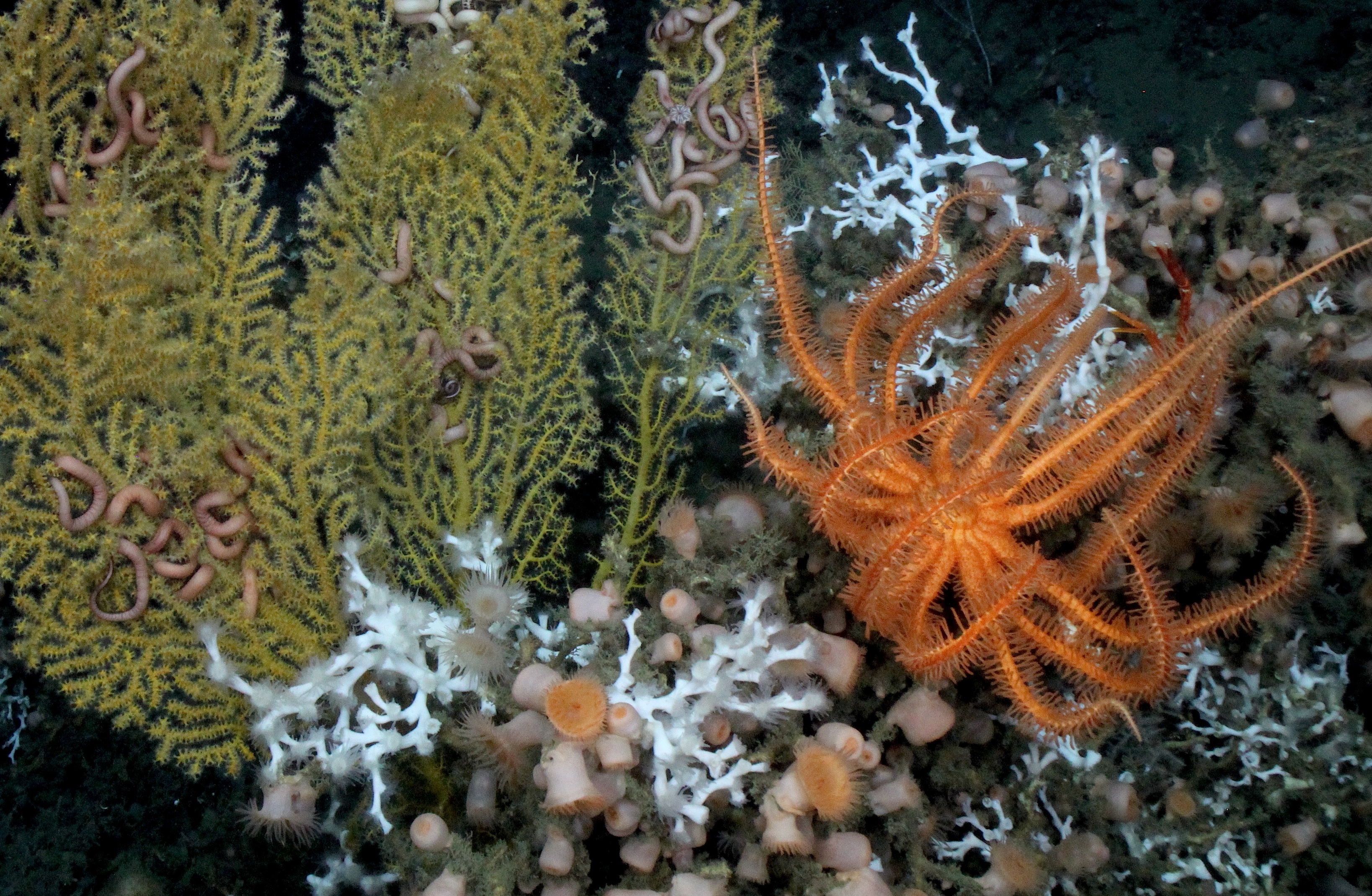
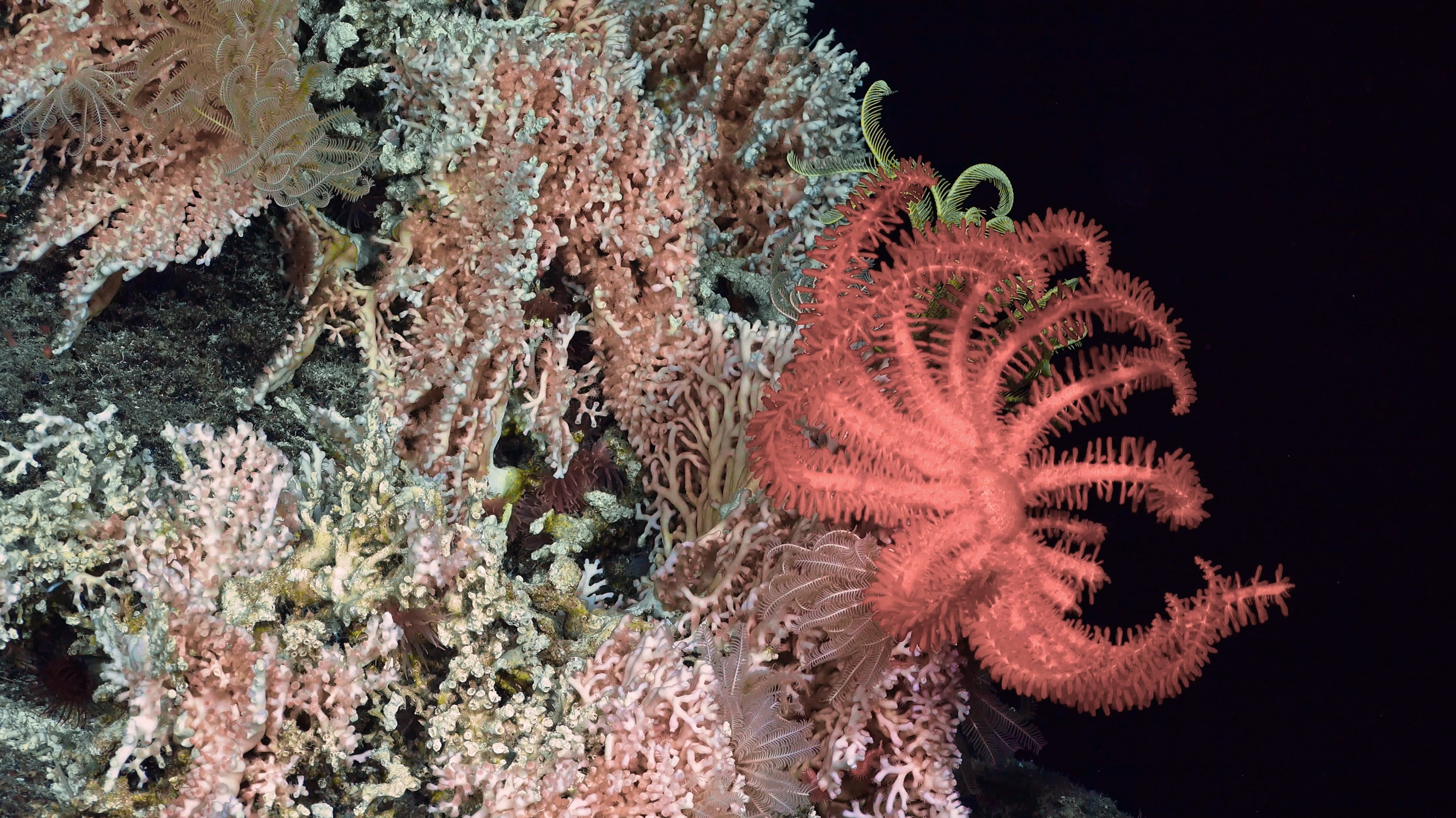
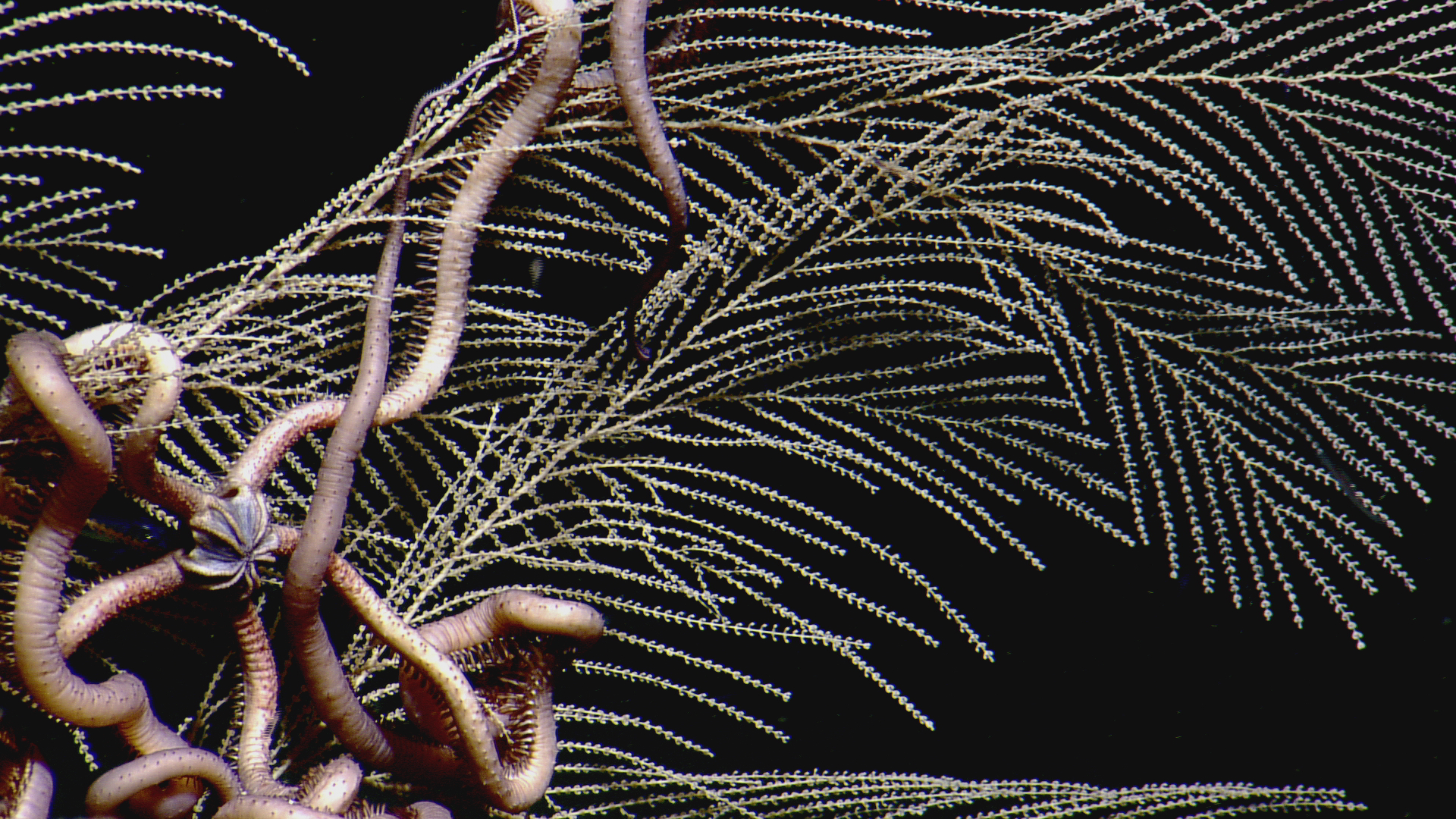
At Temple, his lab in the Bio-Life Building is one of the few in the world focused on both the science and stewardship of deep-sea ecosystems. His team uses seafloor mapping, predictive models and submersible surveys to locate and study coral communities thousands of feet below the surface.
Earlier this year, they discovered a massive deep-ocean coral reef off the coast of Argentina, believed to be among the planet’s largest known reef systems. And in 2018 and 2019, Cordes and collaborators found and mapped a 200-mile-long coral reef off the coast of the Carolinas—the largest known deep-ocean coral reef on the planet.
Cordes is also pioneering conservation and restoration methods, developing techniques to repair coral reefs off the coast of Louisiana damaged by the 2010 Deepwater Horizon oil spill.